After a sprawling world tour, Praxis, a New York-based, crypto-backed “digital nation,” has signed a deal to build a physical city in Uruguay.
By Emma Bubola
NYT
The American tech utopians had spent years scouring the globe for a place to build their city of the future. The founders of Praxis — a company and online community backed by hundreds of millions of dollars in financing from a crypto company — surveyed the Mediterranean region, but say it was too close to active conflicts. They said they had mulled buying Greenland, but faced public pushback.
Now, they claim to have finally found a home for their project to reinvigorate Western culture, along the riverbanks of Uruguay.
“The world tour has concluded: We’ve chosen Uruguay,” Dryden Brown, the chief executive of Praxis, said in an interview. “It’s the coolest thing ever.”
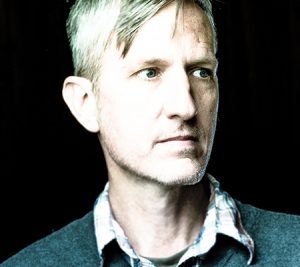
Mr. Brown, 30, a former professional surfer, who left his last job at 23, has since pledged to build a new civilization. He has drawn sustained skepticism and courted controversy for promoting a musclebound, Western-centric vision of society, and now plans to build his hub within another start-up city an Argentine company is building near the southern Uruguayan city of Colonia del Sacramento.
That project, called +Colonia, is led by Eduardo Bastitta, an entrepreneur whom President Javier Milei of Argentina named as an adviser.
Praxis has so far only signed a largely nonbinding deal with Mr. Bastitta’s company, and many questions remain about whether its promise to build a city from scratch will ever result in brick and mortar.
Still, the deal hints at the rising appeal of the southernmost part of the Americas as a tech escape route, following the billionaire Peter Thiel’s recent decampment to the region. And it offers a glimpse into what one of Silicon Valley’s most whimsical tech-utopian enclaves could look like.
…
Mr. Brown’s most pointed detractors are perhaps the skeptics.
Tech utopian initiatives “have big aspirations: There is a lot of money behind them; there are enormous egos; they have extrapolated out of their crypto world that they can now create some kind of new country,” said Raymond Craib, a history professor at Cornell who wrote a book about attempts to build market-driven enclaves. “Thus far these haven’t gone particularly well.”
….