ClimateOne
July 10th, 2026
Western ways of thinking tend to maximize using natural resources for human profit.
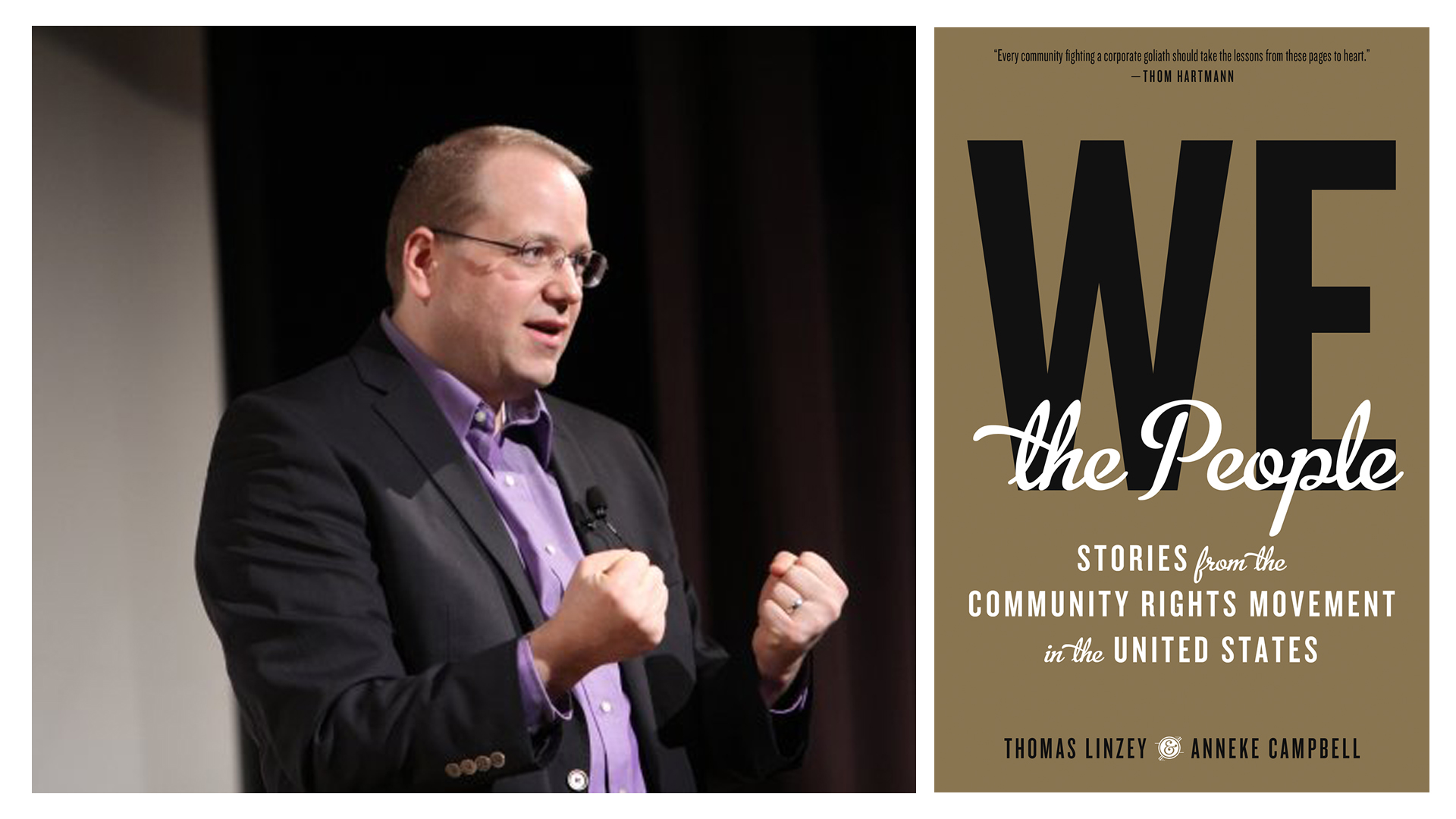
“Our communities are treated as things. They’re resource colonies where corporations and industry generally come down, suck the marrow out of those communities, and then move on,” says environmental lawyer Thomas Linzey, senior legal counsel for the Center for Democratic and Environmental Rights (CDER), an organization committed to globally advancing the legal rights of nature and environmental rights.
Decades of such work convinced him that our current system of environmental law is broken.
“The fact is, the Clean Air Act and the Clean Water Act don’t guarantee clean air and clean water for anyone,” he says.
But Indigenous cultures generally have a different way of relating to the natural world, based on reciprocity and the sense of being part of a collective.
“ When it comes to nature we have a responsibility in our relationship with it to behave in a certain manner: with respect,” says Hawaiian cultural advisor Ramsay Taum.
Some legal courts have recognized this concept where ecosystems have their own inherent rights – referred to the “rights of nature.” The basic idea is that if a corporation can have legal standing as a person, why can’t a river or a mountain?
It’s both a radical idea, and an ancient way of thinking about our place on Earth as humans – rejecting the dominant view that land and natural resources are there to be owned and exploited. The rights of nature as a legal framework has been around for a few decades, but examples of ecosystems being granted actual legal rights are still rare.
Thomas Linzey, one of the first attorneys to put the idea into practice, now believes the structure he created doesn’t go far enough: Even when ecosystems are granted rights, the land is still owned. And he’s now raising the question: What if land could own itself?
Through Linzey’s work in collaboration with the Sacred Contract Coalition, a 30-acre mountain in Colorado was recognized in June 2025 as the first mountain to own itself.
An Indigenous-led guardianship council was established to take care of the Mountain’s needs and uphold the Mountain’s rights. There are five members, each of whom represents a different part of the ecosystem. Crystal Wolfchild represents earth and minerals.
“We’re like graduating, as humans. We’re growing up, and we’re stepping into this new way of living, but it’s not that new because, you know, my ancestors walked in this way with the earth,” she says.