From June 19 through 22, Positive Force held a series of concerts, rallies, and panel discussions to revisit the punk collective’s history and support today’s social justice causes.
By Steve Kiviat
Washington City Paper
July 1st, 2025
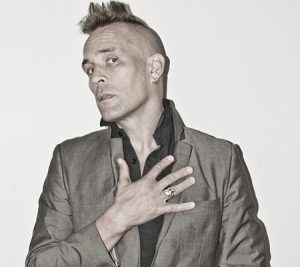
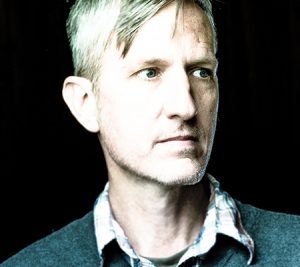
Positive Force, the D.C. volunteer activist collective founded by Kevin Mattson and Mark Andersen in 1985, celebrated its 40th anniversary last month with numerous events that showcased the collective’s heart: a Juneteenth concert and rally, three benefit shows, two panel discussions, and a punk percussion protest against Vladimir Putin across the street from the Russian Embassy.
Andersen, who was raised in rural Montana and came to D.C. in 1984 to attend graduate school at Johns Hopkins School of Advanced International Studies, says the events “exceeded my expectations.” The collective that made a name for itself by presenting all-ages punk fundraisers for local organizations dealing with matters such as homelessness, health care access, and abortion rights put on four nights of shows June 19 to 22. The concerts drew crowds ranging from 400 to 800 people, and benefited Ayuda, Migrant Solidarity Mutual Aid Network, Gaza Soup Kitchen, Defend DC Coalition, We Are Family, and SMYAL. In total, the 40th anniversary events drew attendees from around the world, raising roughly $33,000.
Inspired by Los Angeles-based punk bands who were outspoken activists for social justice a la Youth Brigade and their record label the Better Youth Organization, as well as British anarchist punk band Crass, and other activist groups, Andersen and Mattson formed Positive Force in June 1985. Its founding coincided with what Dischord Records’ employee Amy Pickering coined “Revolution Summer,” a moment in the local punk scene when activists worked to end infighting in the community, address sexism within the scene, and to separate themselves from hardcore’s growing fan base of skinheads. Members of the movement—including bands such as Embrace, Beefeater, and Rites of Spring—also put on punk percussion protests against apartheid in South Africa.
In the years since, Andersen tells City Paper that the collective has organized approximately 600 shows and raised around $300,000 from ticket prices alone. Acclaimed D.C. band Fugazi played 80 benefit events and a number of protest shows for the collective between 1987 and 2003—including one of Andersen’s most memorable concerts: the January 1991 protest show in Lafayette Park on the eve of the Gulf War.

Andersen’s other standout events include 2005’s counter-inauguration show with Anti-Flag and Q and Not U in response to the second election of George W. Bush; a 1987 benefit for Amnesty International at the Johns Hopkins School of Advanced International Studies, where Dave Grohl made his first appearance as Scream’s drummer; and a triple headliner featuring Bikini Kill, Fugazi, and L7 held right before the March for Women’s Lives in 1992 in the U.S. Capitol Plaza outside the U.S. Supreme Court.
During several of the events for the 40th anniversary weekend, Andersen, with his heart on his sleeve and tears in his eyes, spoke about the spiritual value of D.C.’s music scene and the importance of “fighting the orange man in the White House.” On a more personal note, Andersen also discussed his successful battle with prostate cancer, which he was diagnosed with nine months ago.
For Andersen, the weekend felt a bit like a school reunion—one that involved people from many different generations of Positive Force. And while proud of their history, Andersen says Positive Force is determined to address the current moment. The collective chose the six beneficiaries for the anniversary shows with that in mind, arguing that immigration, supporting the people of Gaza with food assistance, D.C. statehood, and LGTBQIA rights are the issues most under threat in 2025.
Most of all, Andersen hopes the 40th anniversary weekend will encourage more people to get involved with the collective’s efforts, as well as other grassroots groups. And while he knows some people just go to Positive Force shows for the bands, he says, “there are so many people who have told me they went to a Positive Force show and it changed the way they looked at the world and their lives.”
Today, roughly 25 to 30 people are involved in Positive Force. One volunteer, Anna Tecson, was inspired to get involved with the collective and We Are Family, Andersen’s other organization that provides grocery deliveries and other services for D.C.’s Black elderly population, after watching the 2014 documentary Positive Force: More Than a Witness. “Positive Force prioritizes consensus decisions, so everyone has opportunities to weigh in on what bands to book and what organizations we would support with the proceeds,” says Tecson. “Everyone’s views are respected and appreciated.”
For the 40th anniversary, Positive Force’s group approach to booking led to the inclusion of both old and new bands, local and out-of-town groups, and the creation of diverse lineup that included acts featuring women and people of color. The Juneteenth gig featured the Messthetics, the D.C. jazz-rock outfit with drummer Brendan Canty and bassist Joe Lally, both formerly of Fugazi; the Swing Kids, a noisy jazz-core band that formed in San Diego in 1994 that was joined by D.C.’s Mark Cisneros on saxophone; longtime D.C. rapper Head Roc, and newer acts, such as Soroche, Des Demonas, and self-described anthemic punk band Celebration Summer.

Friday’s show included Kevin Seconds from Nevada’s 7 Seconds, the semi-local band Girls Against Boys, and D.C.’s Swiz—three acts formed between 1979and 1989. Baltimore punk band War on Women and self-described “Afro Progressive hardcore” band Maafa, a Brooklyn-based group with D.C. roots, also performed.
Saturday night included singer Pete Stahl and bassist Enoch “Skeeter” Thompson—two members of Scream, which formed in 1979 in Bailey’s Crossroads, Virginia, but they didn’t start playing publicly until 1980. Two other local ’80s acts—punk band Soulside and post-hardcore band Holy Rollers—also played along with ’90s alt-pop group Tsunami featuring former Positive Force members Jenny Toomey and Kristin Thomson. No Man, another local punk act that formed in 2017, also played.
Sunday night featured a lineup of locals, many of whom represent the current state of D.C. music: Swiz was joined by Bed Maker, Samuel SC, Sensor Ghost, and Miri Tyler (of Ekko Astral and Pretty Bitter), who led her own band.
Positive Force returns in September with a benefit show for We Are Family, and they have plans for two Palestinian-themed benefits in October.
Correction: This post has been updated with the official origin dates for Scream, according to singer Pete Stahl, who says, “they started practicing in 79, but reckons that 1980 would be a more accurate start date.”